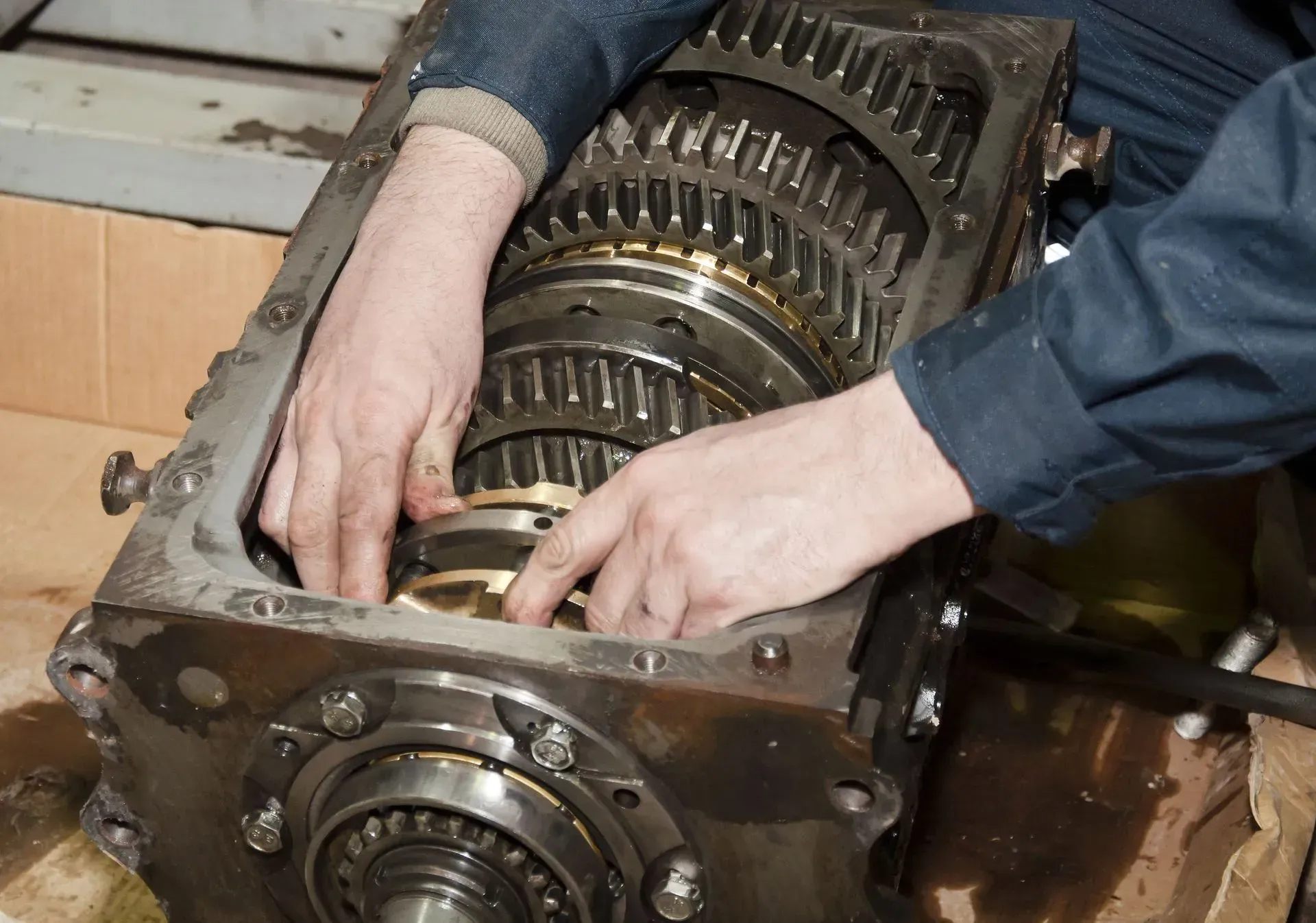
Managing a fleet of commercial vehicles requires a constant balance between maximizing uptime and controlling operational costs. When vehicles are constantly on the move, normal wear and tear is entirely unavoidable. Without a proactive approach to caring for these crucial assets, minor issues can quickly snowball into major mechanical failures that halt operations. A reactive strategy, where repairs are only addressed after a breakdown occurs, often leads to missed deadlines and frustrated clients. Instead, forward-thinking managers understand that keeping trucks on the road requires a dedicated focus on consistent upkeep. Implementing thorough preventative maintenance and inspections is the most effective way to ensure every vehicle operates at peak performance. By scheduling regular check-ups, fleet managers can identify and resolve small concerns before they cause significant disruptions. This proactive approach not only keeps drivers safe but also streamlines the entire logistics process, allowing businesses to operate smoothly and predictably. Ultimately, prioritizing routine care transforms a fleet from a potential source of unpredictable expenses into a highly reliable engine for business growth and operational success.
Extending Overall Vehicle Lifespan
Commercial vehicles represent a massive financial investment for any logistics or transportation company. Protecting this investment means taking every possible step to keep engines, transmissions, and structural components in excellent condition for as long as possible. According to TruckInfo, there are 13 million trucks registered in the US, 2.9 million of which are semi-trucks. With such a vast number of vehicles navigating the highways, competition is fierce, and relying on aging or poorly maintained equipment is a guaranteed way to fall behind. To maximize the longevity of every asset in a fleet, strict adherence to routine care schedules is absolutely essential. Regularly scheduled fluid changes, belt replacements, and tire alignments reduce the daily strain placed on heavy-duty components. When parts operate smoothly without excessive friction or heat, the entire vehicle benefits from reduced wear. Integrating rigorous preventative maintenance and inspections into the standard operating procedure ensures that each truck remains roadworthy far beyond its standard expected lifecycle. By catching the early signs of part degradation, mechanics can replace minor components before they cause catastrophic damage to surrounding systems. This continuous cycle of evaluation and care ultimately allows companies to delay expensive vehicle replacements, thereby maximizing the return on their initial investment and maintaining a modern, capable fleet.
Enhancing Onboard Safety Measures
Safety must always remain the highest priority for any operation that manages heavy commercial vehicles. When a truck experiences a mechanical failure at highway speeds, the risk posed to the driver and the surrounding public is severe. Brake failures, tire blowouts, and steering malfunctions are often the direct result of neglected upkeep rather than unpredictable accidents. Protecting the individuals behind the wheel requires an unwavering commitment to identifying potential safety hazards well before a truck ever leaves the lot. Regular evaluations of braking systems, suspension components, and lighting fixtures are non-negotiable elements of a responsible safety protocol. Utilizing comprehensive preventative maintenance and inspections guarantees that every safety-critical system is functioning exactly as intended. When mechanics routinely examine brake pads for excessive wear or check tires for improper tread depth, they actively eliminate the conditions that lead to dangerous accidents. Drivers also experience a significant boost in confidence when they know their employer prioritizes their physical well-being through rigorous equipment standards. Furthermore, maintaining a flawless safety record protects the company from damaging liabilities and preserves its reputation within the industry. Proactive mechanical care is simply the most reliable method for keeping highways safe for everyone.
Reducing Unexpected Repair Costs
Operating a profitable transportation business requires strict adherence to carefully planned budgets. Unplanned mechanical breakdowns destroy financial projections by introducing sudden, exorbitant repair bills and towing fees. Furthermore, securing emergency mechanical assistance while a truck is stranded on a remote stretch of highway is significantly more expensive than addressing the same issue in a local shop. The financial drain of reactive maintenance extends beyond the cost of parts and labor; it also encompasses the premium prices charged for expedited service. To protect the bottom line, businesses must transition away from fixing problems as they arise and move toward preventing them entirely. Implementing strict preventative maintenance and inspections allows managers to forecast their mechanical expenses with a high degree of accuracy. Replacing a worn serpentine belt during a scheduled shop visit costs a fraction of what it takes to recover a stranded truck that suffered an engine failure due to that same broken belt. Budgeting for routine care is a predictable, manageable expense that pales in comparison to the financial shock of a major engine rebuild. Ultimately, consistent vehicle evaluations act as an insurance policy against the devastating financial impact of emergency commercial repairs.
Optimizing Daily Fuel Consumption
Fuel expenses represent a primary ongoing operational cost for any commercial transport operation. Fluctuating fuel prices mean that even a slight decrease in fuel efficiency across a large fleet can result in massive financial losses over time. Vehicles that are poorly maintained naturally consume more fuel because their engines must work harder to overcome internal resistance and inefficiencies. Clogged air filters, misaligned axles, and underinflated tires all contribute to a dramatic reduction in fuel economy. Addressing these hidden inefficiencies is a necessary step for any manager looking to cut overhead costs. Relying on thorough preventative maintenance and inspections ensures that every engine runs as cleanly and efficiently as possible. Clean oil reduces engine friction, properly inflated tires decrease rolling resistance, and fresh filters allow for optimal air intake. All of these minor adjustments work together to significantly improve the overall efficiency of the entire operation. When every truck in the lineup operates at peak mechanical efficiency, the cumulative savings at the fuel pump become substantial. Managing fuel consumption through proactive mechanical care is a straightforward, highly effective strategy for boosting overall profitability without requiring additional resources.
Maintaining Positive Client Relationships
In the logistics and transportation sector, corporate reputation is entirely dependent on the ability to deliver goods reliably and on time. Clients base their own operational schedules around the promised arrival times of their freight, and any delay can cause a disastrous ripple effect across their supply chain. When a delivery is missed due to an avoidable roadside breakdown, client trust is immediately fractured. Repeated mechanical failures signal to partners that a transportation provider is unreliable, often leading them to seek out competitors who can guarantee consistent service. Ensuring that freight arrives exactly when promised requires a fleet that is structurally sound and mechanically dependable. Executing regular preventative maintenance and inspections minimizes the risk of unexpected downtime, thereby protecting the delicate schedules that clients rely upon. When trucks spend more time on the road and less time waiting for emergency roadside assistance, the company can confidently commit to tight delivery windows. Building a reputation for flawless reliability leads to stronger client partnerships, positive industry referrals, and sustained business growth. Proactive care is the hidden foundation that supports excellent customer service and long-term commercial success.
Achieving true operational efficiency demands a comprehensive approach to vehicle care that prioritizes consistency and foresight. Leaving the mechanical health of a commercial fleet to chance is a risky endeavor that almost always results in higher costs, decreased safety, and compromised client satisfaction. By taking the time to evaluate and service vehicles before major issues develop, businesses can drastically improve their daily operations. The benefits of routine upkeep extend far beyond simple mechanics; they touch every aspect of a transportation business, from the safety of the drivers to the stability of the financial budget. A well-maintained vehicle is a reliable asset that drives profitability, whereas a neglected vehicle is a constant liability. Utilizing scheduled
preventative maintenance and inspections is the smartest operational decision a manager can make to safeguard their assets and ensure continuous progress. Taking proactive steps today will optimize your commercial vehicles and streamline your daily logistics. Reach out to Elite Fleet LLC today to learn more about how expert care can completely transform your operations.